Deep Green
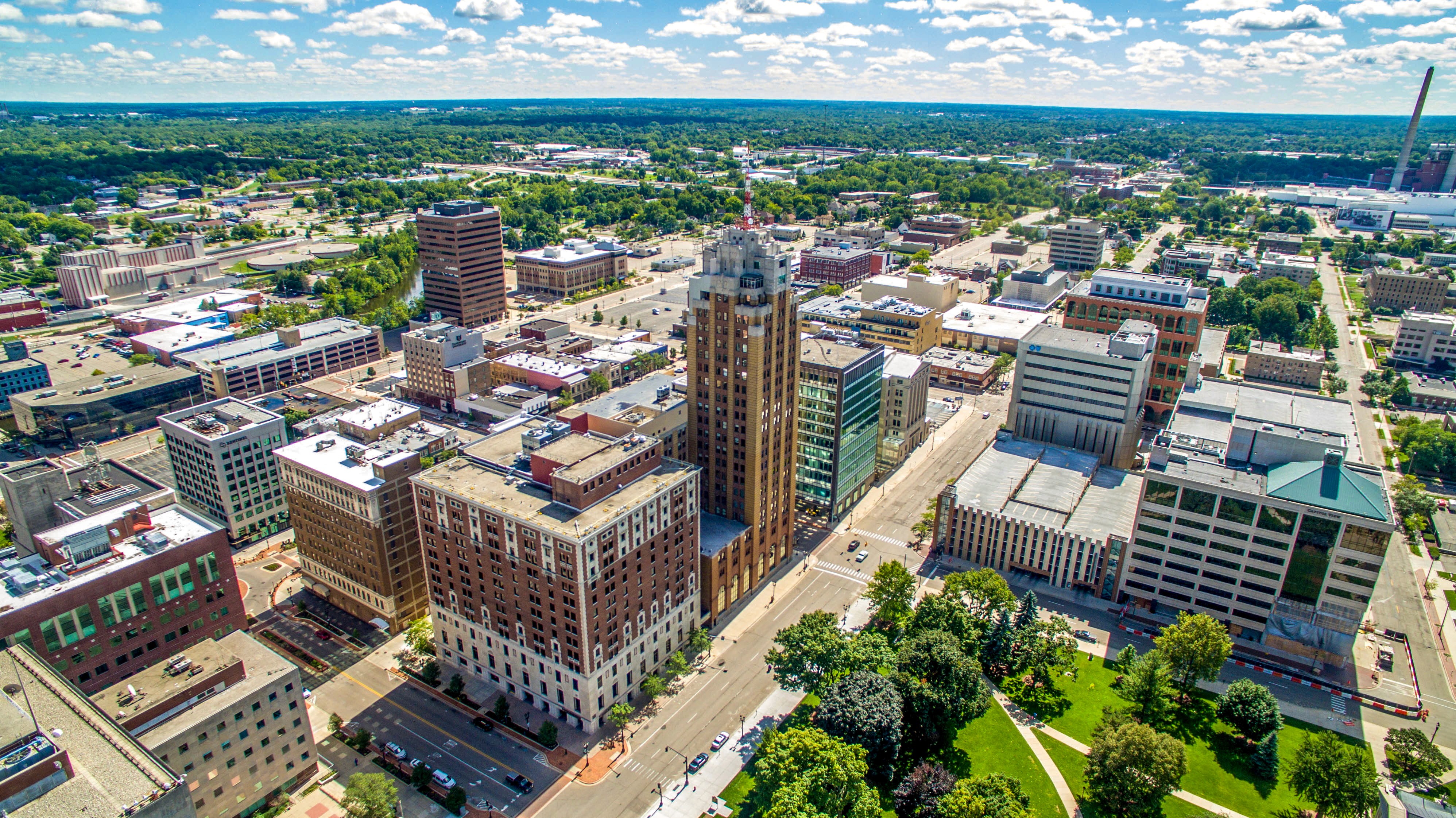
LANSING, MI — Deep Green today highlighted an analysis conducted by the Lansing Board of Water & Light (BWL) confirming that the proposed heat reuse data centre’s 16-megawatt fuel cell installation will result in a net reduction in emissions across the city’s downtown district.
The BWL analysis, shared with Lansing City Council via email on Monday, March 30, makes clear that the heat generated by the fuel cells will be recycled directly into the BWL’s steam-to-hot-water conversion project — eliminating the need to construct an additional natural gas-fired boiler that would otherwise be required. The result is a measurable reduction in emissions compared to the boiler alternative.
“Our goal with every project is to be a good neighbour and provide a mutually beneficial relationship between Deep Green and the communities where we locate,” said Deep Green CEO Mark Lee. “This analysis demonstrates yet another way the heat from our site will create a net win for Lansing by saving both costs and reducing emissions for the BWL.”
The numbers: Fuel cells vs. Natural Gas boilers
The following table is drawn directly from BWL’s response to Lansing City Council, comparing annual emissions (in tons per year) between the proposed 16MW Bloom fuel cell system and the 15.3 MMBtu/hr BWL-powered natural gas boiler that would be used in its place:
Pollutant | 16MW Bloom Fuel Cells (TPY) | Natural Gas Boiler (TPY) | Emissions Reduction |
|---|---|---|---|
Nox (Nitrogen Oxides) | 0.208 | 3.3 | 94% |
CO (Carbon Monoxide) | 0.912 | 5.54 | 84% |
SO (Sulphur Dioxide) | 0.000432 | 0.03955 | 99% |
PM2.5 (particulate matter 2.5 micrometers and smaller) | Negligible | 0.5 | 100% |
PM10 (particulate matter 10 micrometers and smaller) | Negligible | 0.5 | 100% |
HAPs (hazardous air pollutants) | 0.0128 | 0.743 | 98% |
Source: March 1, 2026, Lansing Board of Water & Light response to City Council. TPY = Tons Per Year.
Why this matters: Heat Recovery as an environmental asset
The BWL’s steam system has served Lansing’s downtown for over 100 years and is at the end of its useful life. The planned transition to a hot water district energy system was already underway before Deep Green selected Lansing as a potential site. The steam-to-hot-water transition will proceed with or without the Deep Green project. The critical question before the community is: how will that hot water be heated?
Without Deep Green, BWL confirmed it would need to build up to three natural gas-fired hot water boiler plants. With Deep Green, the waste heat from the fuel cells replaces one of those boilers entirely. BWL General Manager Dick Peffley told WLNS TV6 the cost savings of not having to build an additional boiler was $5 million.
“Our project replaces a polluting energy source with a dramatically cleaner one and helps reduce costs to the system. The BWL’s own data shows that the fuel cell system produces 94% less NOx, 84% less CO, 99% less SO₂, and eliminates virtually all particulate matter compared to the boiler alternative,” said Lee.
The Lansing City Council is expected to vote on the Deep Green proposal on April 6, 2026. Deep Green encourages all council members and community stakeholders to review the full BWL emissions analysis in advance of that vote.


